From Waste to Wealth: Plastics in a Circular Economy – Sustainable Solutions and Innovation for a Greener Future
 Events

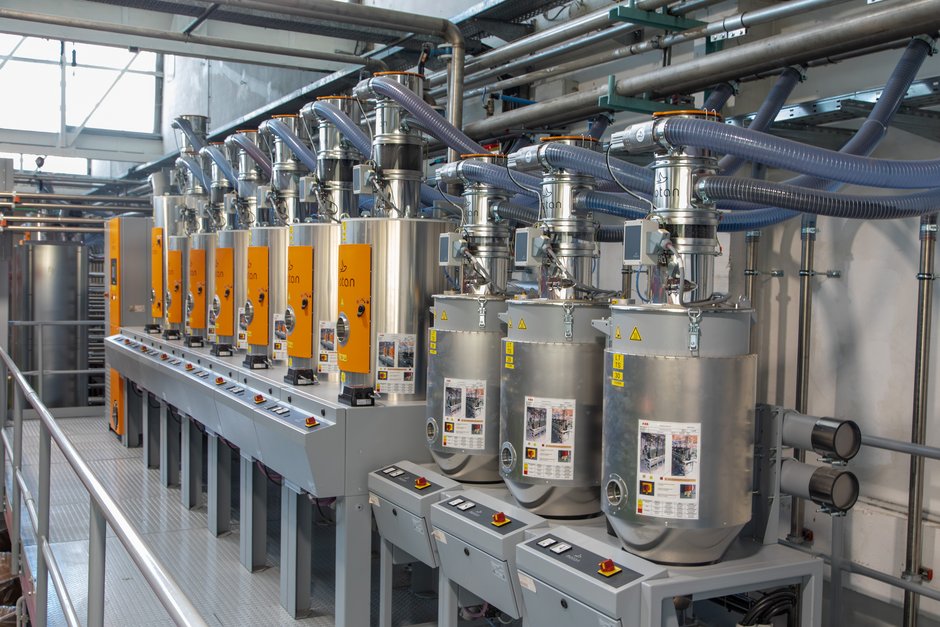
motan, together with its Spanish representative Coscollola, has been collaborating with ABB Niessen in the field of peripheral systems for many years. In 2025, ABB Niessen took a major step forward by completing the project to install a state-of-the-art central drying and conveying system from motan. In this interview, Mikel Mindegia Urroz (Production Manager for Plastic Injection) shares his insights into the development of this exceptional project and the challenges it entailed.
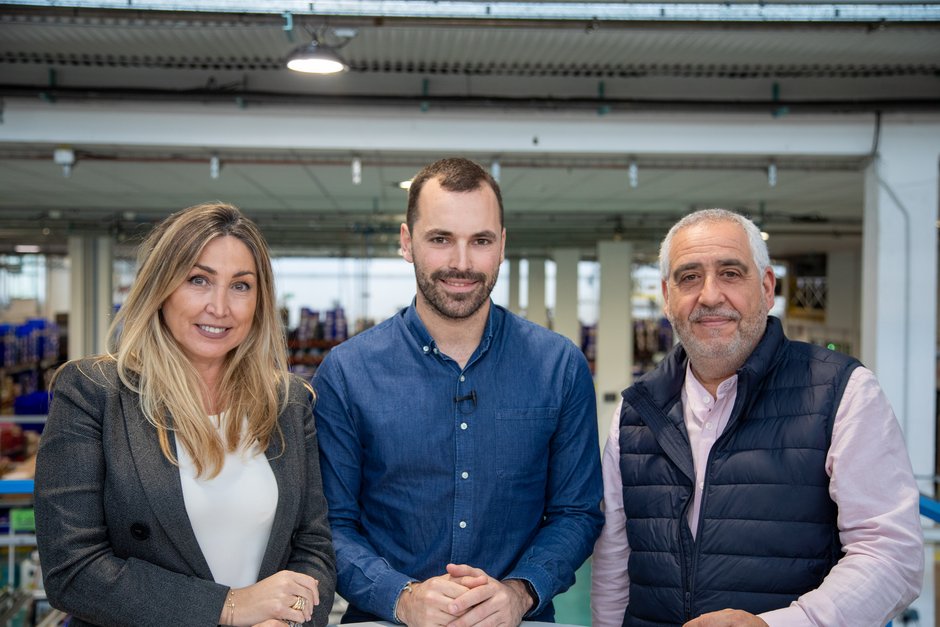
1. In the past, ABB has been working with a conveying system from Colortronic, which, as you may know, became part of the motan group almost 20 years ago. Was this one of the reasons why you decided to develop this project with motan?
The main reason we chose motan as our partner for this project was the comprehensive solution they proposed right from the start. This focused on a more efficient drying and conveying system, always taking a holistic approach to the project rather than just looking at individual parts. Their previous experience with Colortronic confirmed them as a supplier of robust and reliable equipment.
2. Were there specific requirements that the new system needed to meet?
The drying system had to be a centralised control system with high energy efficiency. We had previously used individual dryers with no control over energy consumption or drying quality, and we needed to take a step forward, reducing overall energy consumption and drying the materials to the necessary degree, no more and no less.
As for the transport system, we needed it to be 100% automated and airtight. The connection between the hopper and the machine does not add value to our process and is a critical task from a process and quality point of view, so our goal was to ensure that this task did not depend on operator interaction.
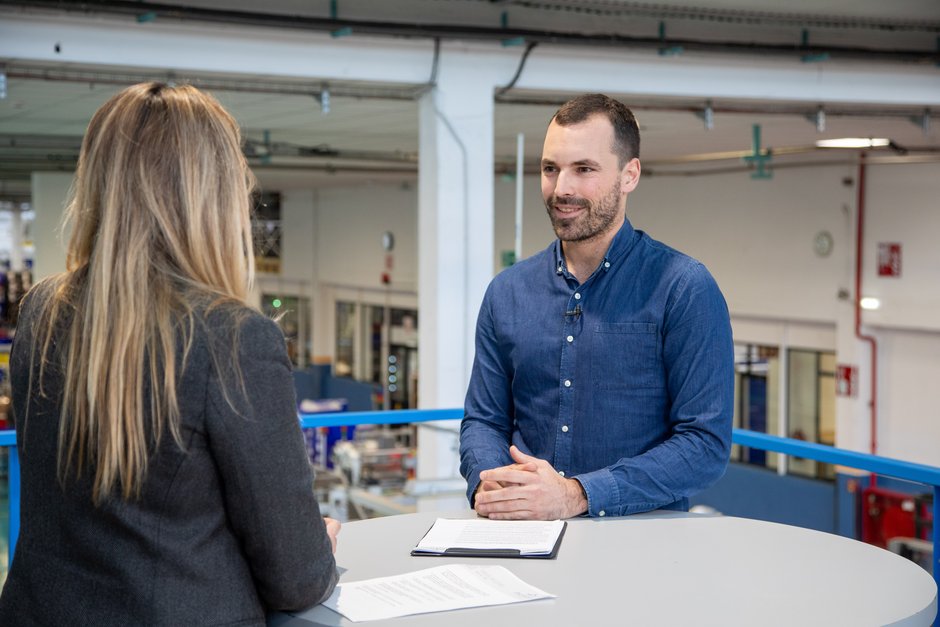
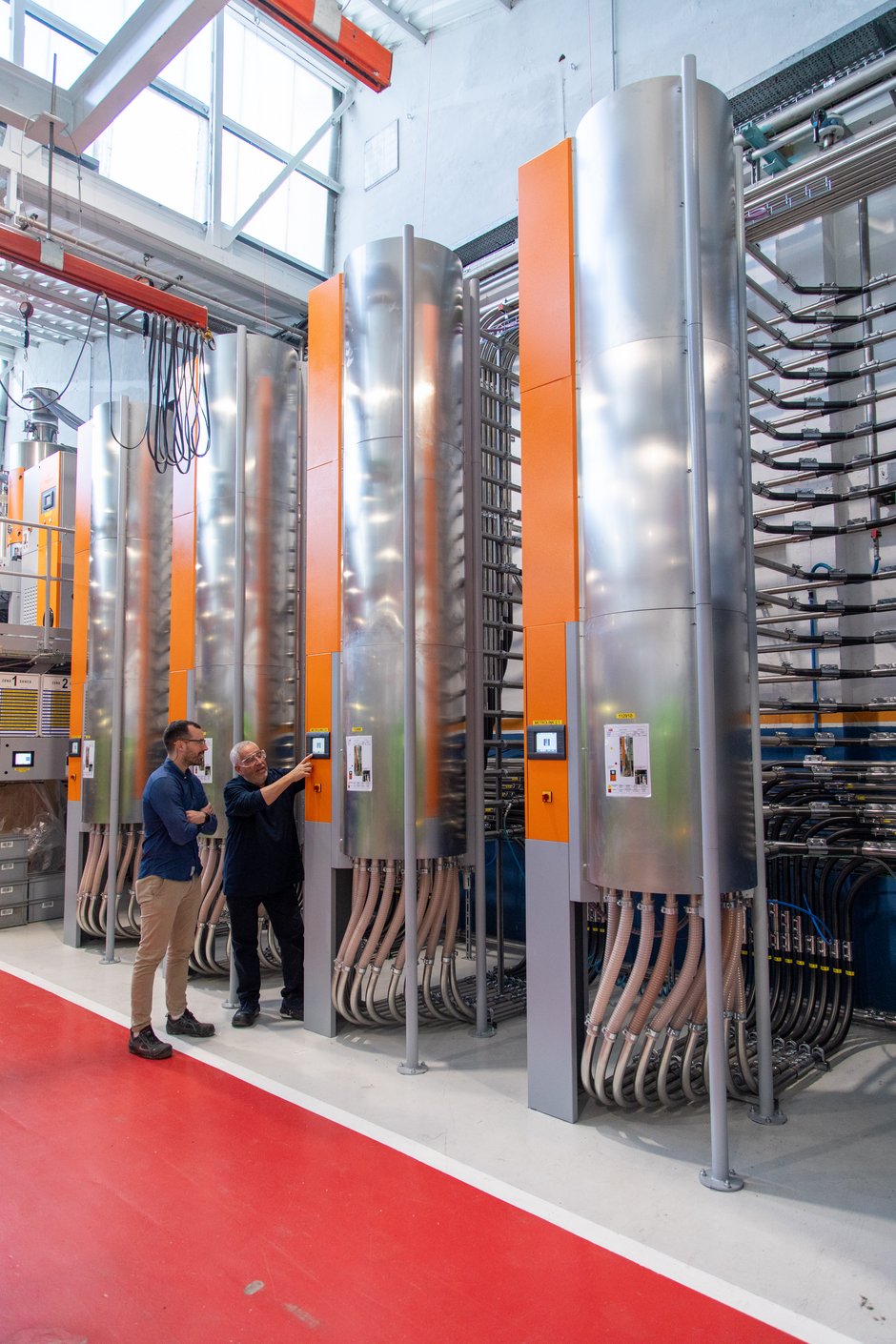
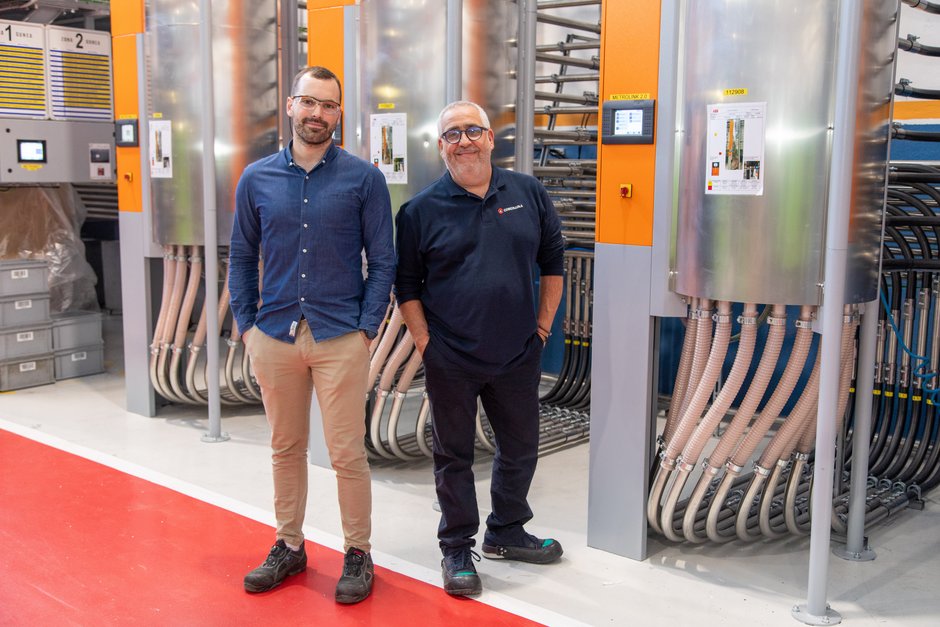
3. The central drying and conveying system from motan is a pioneering project on the Spanish market. ABB Niessen is seen as a reference installation, particularly because of the four METROLINK systems – a state-of-the-art, fully automated material selection and distribution system. How has the METROLINK system positively impacted your production process?
The METROLINK system has had a significant impact on our daily operations. On the one hand, thanks to the design of the distribution of raw materials and machines using the four units, we are now able to feed any of the raw materials to any machine, which was not possible in the past as the connection table system limited us to a specific number of outputs per raw material. In addition, the tool change and set-up process has been substantially improved, as eliminating this task from the process has reduced times and eliminated a potential critical point from a quality perspective.
4. How did the integration of the motan system into your existing production environment go? Were there any initial concerns from your staff?
The initial concern with this project was very high, as it involved two critical injection processes: drying and conveying. Any incident during implementation would leave all the machines at a standstill, which is why we devoted so much time to project planning. The project was planned to be implemented in five phases so that the stoppages would not be too long, they could be carried out during closure periods, and we could ensure the correct implementation of each modification before proceeding to the next. In this way, although there were not many, we were able to resolve the incidents that arose without causing any problems in terms of production.
5. In sensitive areas, carbonitrided pipes have been used. Is this because in the past there were problems with abrasion in the pipe system due to the high fibreglass content of the raw material, or was it a recommendation for durability by the Coscollola/motan technical team?
Carbonitrided pipes were suggested by the technical team and have been installed at the METROLINK outlet. Given their complex construction and the frequency with which these pipes will be used, it was decided to reinforce the area to extend their useful life and reduce the frequency of maintenance team interventions to replace pipes due to wear and tear.
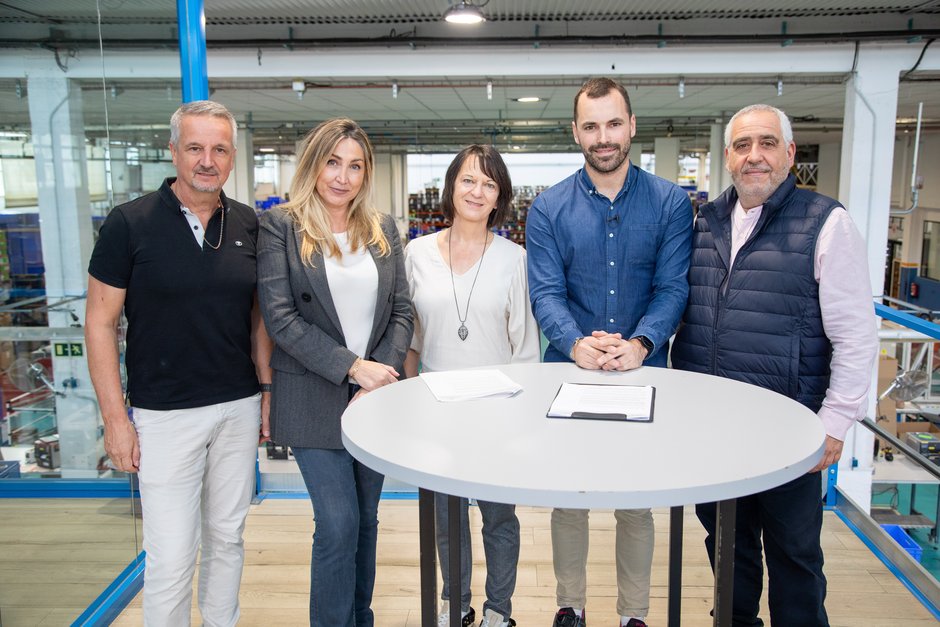
6. The two drying systems were installed symmetrically. At first glance, the new design gives the room a very structured and orderly impression. This was not the original plan. Can you explain what motivated this configuration and how the project was planned?
The truth is that it is difficult for me to remember what the initial approach to the project was. Considering its impact, I believe we analysed all the possibilities and areas available for its installation. If I remember correctly, we initially planned the installation with only two METROLINKs and a single drying platform with the two units in line. This initial approach had two main drawbacks: first, with two METROLINK units, we were unable to supply all the raw materials to all the machines. Second, phased implementation was complicated. Doing it symmetrically has enabled us to build the first platform while maintaining our old operating system. Finally, the symmetrical distribution brings a lot of order and organisation to our layout.
7. The vacuum pumps are installed in insulated and soundproofed casings, which make them barely audible, even at full capacity. They also have silencers installed. Did you adopt this measure with the safety and working environment of your employees in mind? Was this the main priority in this case?
The improvement of the vacuum pump casing was made after installation and was one of the lessons learned from the project, with the safety and well-being of staff in mind. The pumps had a free air outlet to the section, but this increased noise pollution and temperature, so we began working on a solution.
After analysing the situation, it was decided to open an outlet to the outside with soundproofing equipment to solve the temperature problem and to encase the structure to solve the noise problem. Once the installation was complete, the improvement was substantial and it could be said that the risk had been eliminated 100%.
8. How satisfied are you with the energy efficiency of the system? What benefits has ABB Niessen gained through this energy savings?
We are very satisfied with the results we are achieving in terms of energy efficiency, as they are even better than expected. Initially, taking into account our consumption and sizing, a 30% improvement in consumption was estimated, but by sizing our capacity slightly above the previous situation, our standard is approaching a 50% reduction in consumption. This is thanks to the ETA plus technology, as once the material is in the optimal condition, it stops drying and maintains this condition (by changing the air flow and temperature), drastically reducing energy consumption.
9. In what ways has the integration of the new METROnet control system improved the flexibility, control, and efficiency of your production processes?
The METROnet system has digitised a process that was previously carried out 100% manually. Today, we are able to centrally control and digitally monitor all conveying, connections and drying temperatures of the raw materials.
10. Reliable after-sales support plays a key role in the success of complex projects such as this one. How would you describe your experience with Coscollola's project development team?
Our experience working with the Coscollola team on this project was excellent, both in terms of design and planning as well as implementation. At ABB, we have a very demanding maintenance team, and thanks to the support of Coscollola technician during implementation, the execution went smoothly, allowing us to prevent potential future problems. Communication went very smoothly throughout the project, and I must say that everyone involved treated the project as if it were their own.
11. Looking back on the project as a whole, how satisfied are you with the overall execution?
Simply getting a project of this scale and complexity off the ground was a success in itself, but if I had to give a final assessment of the project's execution, I would give it a 9 out of 10. It was a project that was executed with responsibility, dedication, self-criticism and in a challenging manner, constantly questioning whether the solution presented was the best possible or could be further improved. What would it take to get a 10? There are always unforeseen events and problems that arise on a daily basis that cannot all be controlled.
12. Would you recommend motan and Coscollola to other companies with similar needs?
Based on our experience with this project, I would certainly recommend motan and Coscollola's equipment and team to other companies with similar requirements. While details such as the specific circumstances of each company, its current situation and its needs are important factors in the implementation of such significant projects, the results of this pioneering project should provide enough insight to improve future outcomes.
Get in touch, and see how motan can modernize your production process.